When Mark and I started the Walden Effect, blogging was a bit of a Wild West. There were so many formats to choose between and we chose the one that was free for us.
Later, Wordpress gradually won the format war in many ways. I've been gradually moving our other sites over, but Walden Effect is so huge that the handcoding involved in such a transition would take way too many hours to be feasible.
So we're experimenting with something different. Please head over to our sister site Wetknee to enjoy this week's blog post, and while you're at it please set your RSS feed for that new address. Unless we hit some unforeseen hurdles, we'll be sharing news there instead of here in the future. (And if hurdles are hit, we'll inform you there to come back here!)
Thanks, as always, for following us on our adventures!
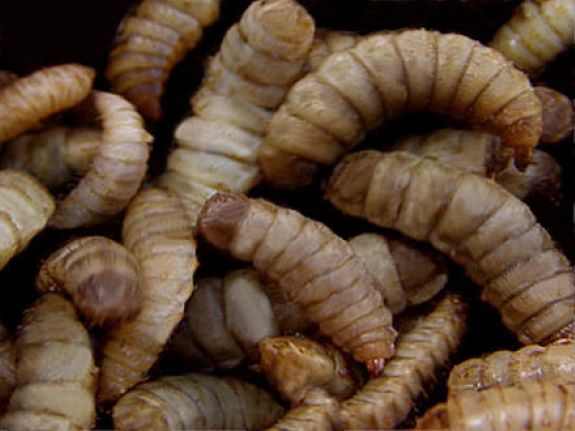
Our black soldier fly composting system is slowing down due to colder Fall nights.
Austrian designer Katharina Unger has invented a new, reliable product to farm the larvae inside for human consumption.
It's called Farm 432 and promises to produce enough protein for a 2 person meal every 2 weeks or 432 hours.
The product is still in a Beta stage but seems to be well thought out and almost ready for prime time.
Frying the larvae produces a crunchy texture that might mix well with a rice or pasta dish.
We have not tried fried larvae yet but the more I read about it the less resistance I have to eating bugs.

I had so much fun reading How to Grow Ginger by Leigh Tate. But before I dive into my review, I have to include an important caveat. Reading this book doesn't necessarily mean your mothers-in-law will gift you with a five month old ginger plant so you can experiment immediately...even though it totally did for me. (Thank you so much, Rose Nell and Jayne!)
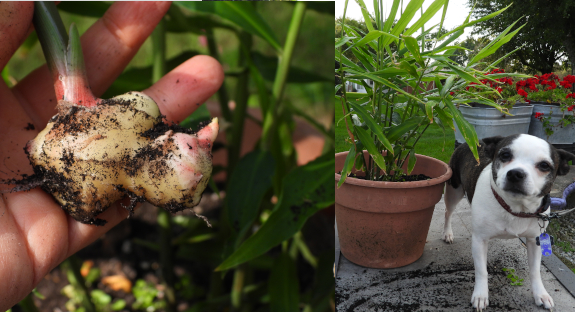
Ahem, back to the point. I'd seen fresh ginger for sale at our local farmer's market, but I hadn't taken the time to figure out whether it was worth growing ourselves. The short answer: very worthwhile because the process is crazy easy. Basically, you put a store-bought ginger root in a big pot a bit after your frost-free date, keep the plant in partial shade and topdress with compost once a month, then harvest after the leaves die back in the autumn.
Or you can start harvesting earlier, the way I did. Each of the stems in your pot leads down to a single ginger root and if you have strong hands you can tear out a root the way you'd grub out new potatoes. I pulled out two roots and made pickled ginger (so easy and so delectable!) and lacto-fermented ginger (still in the works). I'm also looking forward to making candied ginger with honey for a family member who loves the treat but prefers to dine sugar-free.
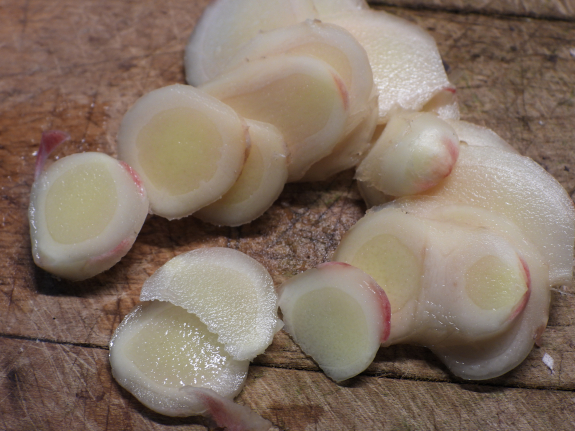
If those experiments don't sound like fun, Tate also includes recipes for dehydrating ginger and turning it into the powder you put into cookies and cakes, plus a primer on making a ginger drink. I particularly enjoyed her section about peeling. Upshot: you don't have to peel if you're like me and prefer to leave skins on.
To cut a long story short, if you're interested in growing ginger you might as well jumpstart your process by checking out this excellent guide. Like everything else you grow yourself, fresh ginger out of your yard just tastes better than any you can buy!
A summary of our experience over the past 4 years using one of those greenhouses in a box to store firewood.
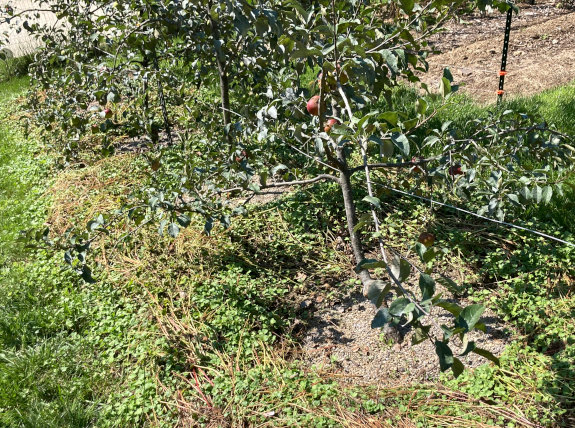
Awesome reader and cover-crop experimenter Craig wrote in last month with his questions and comments about planting cover crops between young fruit trees in mid Ohio. He promised me pictures and a followup, both of showed up in my inbox last week.
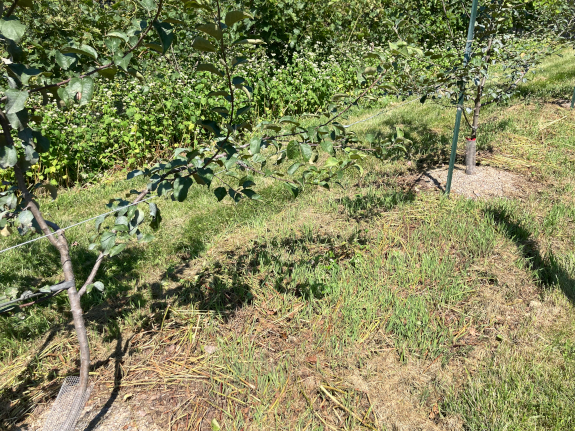
Craig's first experiment involved "hand-tossed rye seeds on my apple beds" in early August to replace a mature buckwheat stand. He noted, "I'm loving how the action of re-seeding a new green manure crop after buckwheat accomplishes multiple tasks: plants the next cover, provides an opportunity to weed (easily and satisfyingly) what didn't get crowded out by the last round of growth, and creates a mulch on the soil surface."
This has been my experience too! My best stand of oats is coming up where I treated a buckwheat bed exactly the same way. Definitely recommend!
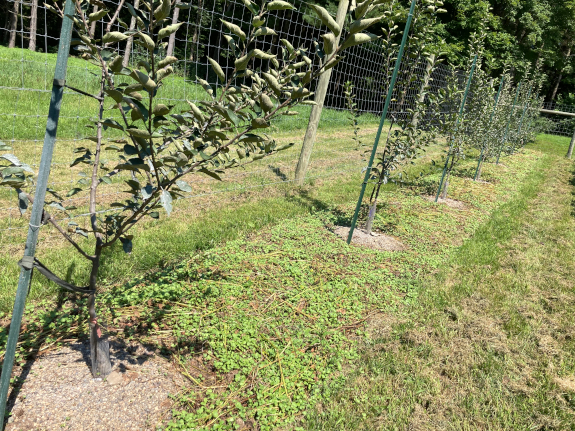
Again just like in my garden, Craig's oilseed radish cover crop (which he calls "torpedo radishes") came up very strongly. We both overseeded since it's tough to get anything to sprout atop dry late-summer soil, and we both ended up with a radish stand thicker than was really necessary. No real harm done other than a waste of seed, but our lesson has been learned!
Craig promised me a followup this spring, so I'll be sure to keep you posted. In the meantime, I thought I'd spill some beans of my own. I'm hoping to find time this winter to work on a cover-crop video course and/or workbook. Both are intended to simplify the brain power involved in including cover crops in your garden, either through lots of hands-on visuals (video course) or through charts and pages that walk you through the decision-making process (workbook). If I don't have time for both, does one of those sound a lot more fun than the other to you?
Finally, I'd be remiss if I ended this post without telling you that it's not too late to plant rye. If you have garden beds that are going to weeds and that you know you won't need until next June, why not get a cover crop established to improve your soil while you take the winter off?
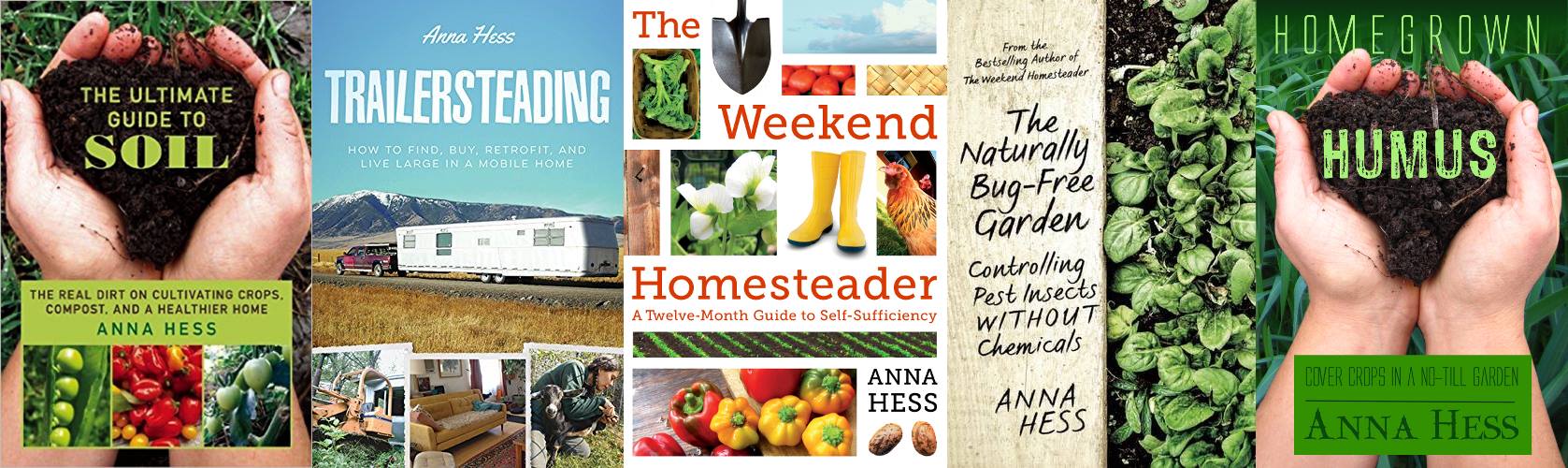
Or explore more posts by date or by subject.
About us: Anna Hess and Mark Hamilton spent over a decade living self-sufficiently in the mountains of Virginia before moving north to start over from scratch in the foothills of Ohio. They've experimented with permaculture, no-till gardening, trailersteading, home-based microbusinesses and much more, writing about their adventures in both blogs and books.